Water

Basic Hydrology

In this course, we will define, explain and correctly use terms and concepts of basic hydrologic processes including evaporation, transpiration, precipitation, infiltration, ground-water flow and surface runoff. We will understand the hydrologic cycle and the ways that humans impact hydrology including erosion, sedimentation, and contamination. We will solve basic hydrologic problems to estimate the magnitude and frequency of hydrologic events. We will learn methods to measure flow and discharge rates. Examples will be included from real environmental problems. 

Intended audience

Environmental professionals in a wide range of careers including habitat restoration, environmental sampling, and construction. 

CEUs
1.40
Course Topics

Water and hydrology background

Hydrological cycle

Soil properties and water

Aquifers, wells, water table

Measurements - discharge, flow rate, peak, Ordinary high water mark

Human impacts to hydrology

Course Materials

.

What to bring

Pen or pencil to take notes and paper if you do not want to take notes in your manual.  Drinks and snacks will be provided each day and lunch will be on your own.

Course Subject

Wetlands: Science and Regulatory Management

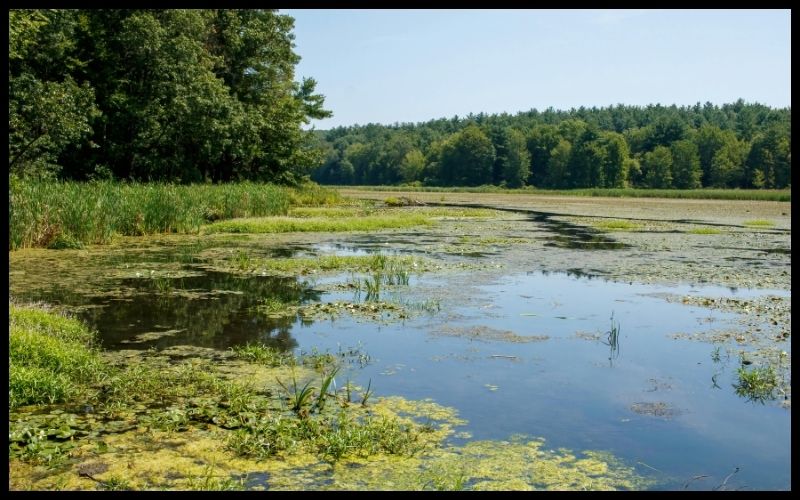
A photo of a flooded wetland surrounded by trees

The objective of this 2-day course is to provide attendees with an overview of wetlands and wetlands management. 

The course will touch on the regulatory basis for the protection of wetlands in the United States, including a discussion of recent and attempted changes to wetland regulation.  In addition, there will be an overview of the methods used to delineate the boundaries of wetlands, as well as a summary of the various methods used to perform functional assessments.  Special focus will be given to the strategies and approaches to developing Nationwide and Individual Permits under the U.S. Army Corps of Engineers Section 404 regulation.  Additionally, there will be detailed discussions on the planning and execution of wetlands mitigation projects.

Course Testimonials:

“Really good broad overview to the various aspects of the wetlands permitting, regulatory, & mitigation process. Perfect for a professional like me who is familiar with wetlands concepts while wanting to learn specifics and how to’s.”Dave G. Oct 2016

“There was a great balance of breadth & depth for the course topic. It touched on a wide variety of areas pertaining to wetlands and their regulation under the CWA. The course gave me the background info & context to better understand wetlands management and mitigation. Chuck did a great job presenting the context & incorporating his wealth of experience in the field of environmental consulting and wetlands mitigation/permitting.” Angie F. Oct 2016


Intended audience

This course is intended for environmental professionals involved in wetlands management such as consultants, regulators, lawyers, and those in technical/scientific positions.

CEUs
1.40
Course Topics
  • Introduction
  • Overview of wetlands
    • What makes a wetlands?
    • Why are wetlands important?
  • Regulatory framework
    • Federal 404 process
    • State regulations
    • Local and County regulations
    • Association with other regulations – NEPA; ESA; NHPA
    • Recent developments in regulations
  • Wetlands delineation
    • Overview of the three-parameter process
    • Historical approaches to delineation
    • USACOE Wetlands Delineation Manual and Regional Supplements
  • Functional Assessments
  • Wetlands Permitting
    • Nationwide versus Individual Permits
    • Strategic approaches to permitting
    • Permit components
  • Wetlands mitigation
    • Approaches to mitigation
  • Wetlands Construction – Restoration/Creation
    • Initial Steps
    • Planning and design – key elements
    • Construction approaches
    • Planting
    • Use of ecological/habitat enhancements
    • Monitoring
  • Special Wetland Topics
  • Conclusion
Course Materials
*Registered attendees will receive a PDF copy of course materials prior to the class. A hard copy may be requested for United States addresses.
What to bring

A computer with an internet connection. You may wish to have your text available and pencil and paper to take notes.

Course Subject

Groundwater Contamination and Remediation: Principles and Practices

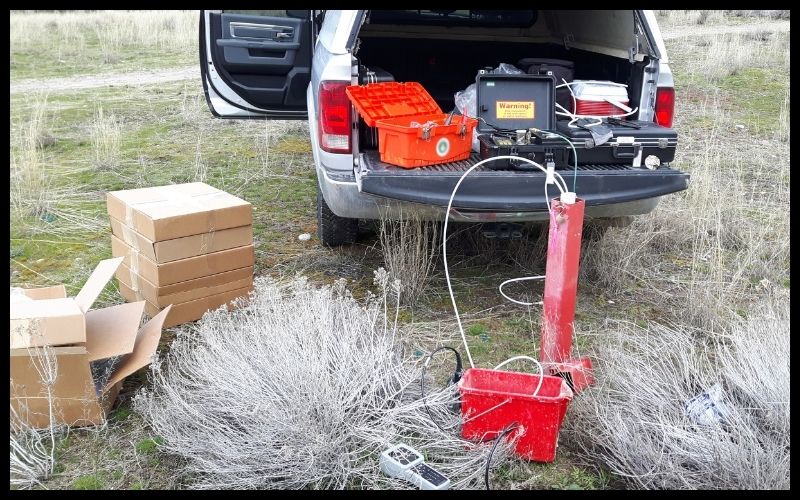
Back of a truck parked on the ground with a variety of testing supplies set up

In this course, attendees will learn the basic principles of contaminant geohydrology, fate and transport, and groundwater remediation. This course will cover the scope of the groundwater contamination problem in the United States, the drivers that mandate addressing these problems, and the technical constraints and practical solutions to remediate these problems. Participants will be exposed to basic concepts of hydrogeology and contaminant transport in groundwater.

Participants will also learn the status of remedial technologies employed by remedial practitioners to cleanup groundwater contaminated with the most common inorganic, organic and persistent contaminants such as fuel hydrocarbons, metals, 1,4 dioxane, perchlorates and chlorinated hydrocarbons. Case studies and active engagement with the attendees will be used to reinforce the points presented in lecture. Understanding the topics covered will provide attendees with a current and better-informed perspective on the practice of groundwater investigation and remediation. 

"[This course provides a] good overview of remedial technologies, including course studies." J. Mefford, December 2013

"Good short course for introduction. Very good technical knowledge of chemistry [and] geology modeling." A. Kar, December 2013

CEC's: 13 Technical CEC's


If you have any difficulties or questions regarding registration please call 425-270-3274 ext 100.

Please wait to receive a course confirmation email, roughly one month prior to the class, before making any travel arrangements.

Intended audience

This course is refresher training for scientists and engineers engaged in remedial planning and implementation and as a comprehensive overview of regulations, policies, and remediation practices for non-technical facility managers, municipal planners, real estate developers, and attorneys that employ environmental remediation professionals to support their respective projects and clients. 

CEUs
1.30
Course Topics
  • Groundwater Contamination Problem Definition
  • Drivers that Mandate Action
  • The Importance of Conceptual Site Modeling
  • Basic Hydrogeological Concepts
  • Common Organic Contaminants
  • Common Inorganic Contaminants
  • Contaminant Fate and Transport in Groundwater
  • Overview of Remedial Technologies for Organic Contaminants in Groundwate
  • Overview of Remedial Technologies for Inorganic Contaminants in Groundwater
  • Case Studies of Groundwater Contamination


Course Materials

Attendees will receive a course manual containing workshop proceedings and reference material.

What to bring

Pen or pencil, and paper if you don't want to take notes in your manual. In person courses will have drinks, lunch and snacks provided as current health recommendations allow. 
Course Subject